
Toyota Collision Shop Michigan
Professional Toyota collision repair with careful damage analysis, model-specific repair planning, quality workmanship and attention to the details that matter after an accident.
Toyota vehicles combine body structure, safety systems, electronics, cameras, sensors, restraint systems and vehicle-specific components into one complete vehicle. After a collision, our goal is to evaluate the complete damaged area and develop a repair plan appropriate for the specific Toyota being repaired.
Your Toyota Deserves a Complete Collision Repair
Collision repair is about much more than replacing the parts that look damaged from the outside.
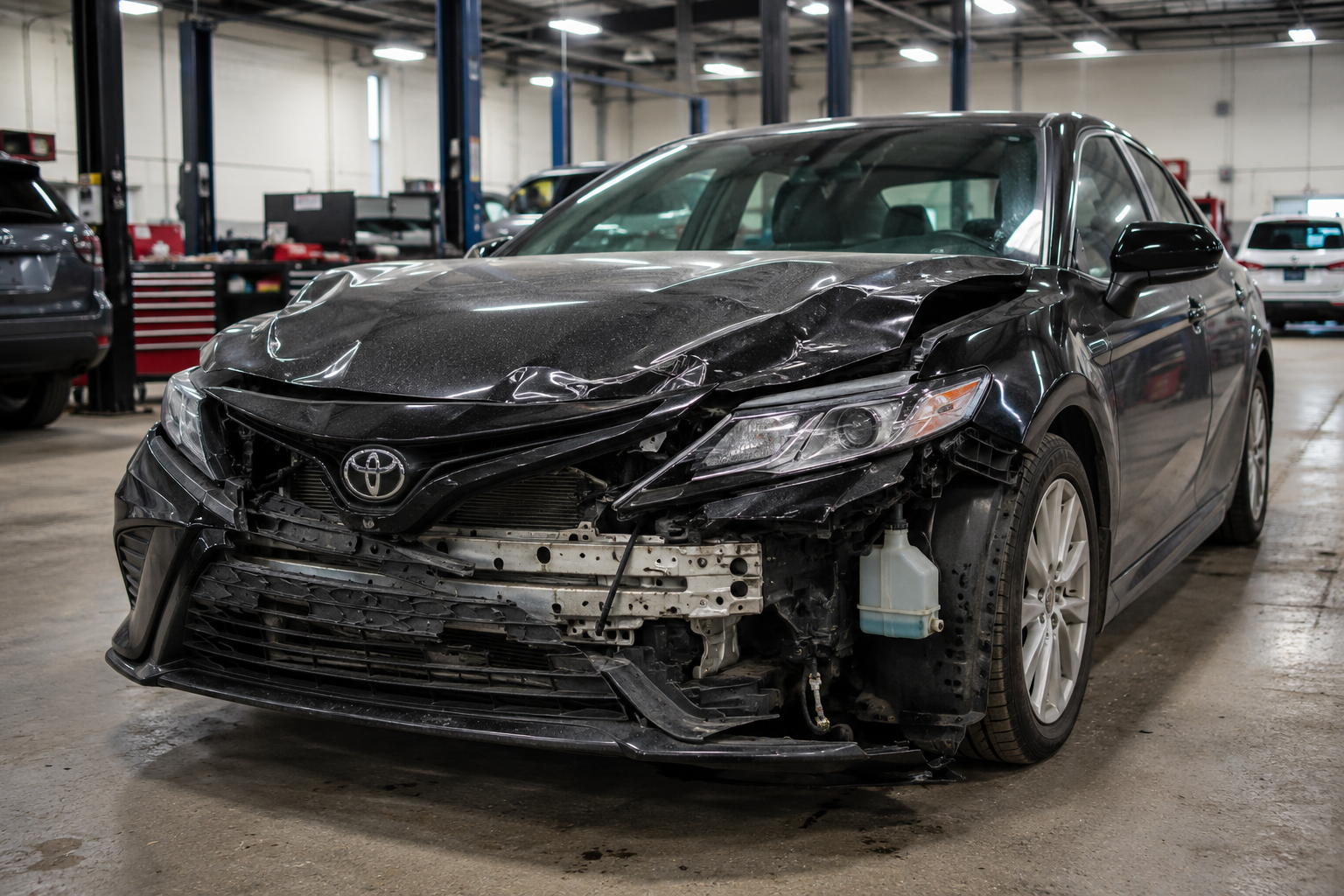
A front-end collision can affect the bumper system, grille, hood, fenders, headlights, radiator support, cooling components, suspension, structural areas, wiring, cameras or radar-related equipment.
A rear impact can involve the bumper reinforcement, liftgate or trunk, quarter panels, rear body structure, exhaust, parking sensors and other components behind the exterior panels.
Side-impact damage may involve doors, rocker panels, pillars, quarter panels, intrusion protection, restraint systems and surrounding structure.
Our Toyota Collision Shop Michigan approaches the damaged vehicle as a complete system. The repair plan should consider not only what can be seen immediately, but also the components and systems that may have been affected by the collision.
The Professional Experience You Expect When Repairing a Toyota
Customers should feel confident that their Toyota is being evaluated carefully, that repair decisions are being made for the actual vehicle involved, and that important details are not being sacrificed simply to move the repair through the shop faster.
Our goal is to provide the level of organization, communication, documentation and attention to detail customers expect from a high-quality automotive repair facility.
Vehicle-Specific Repair Planning
We approach the repair according to the Toyota model, model year, equipment and location of the collision damage.
Detailed Damage Analysis
The repair evaluation considers surrounding components and potential hidden damage in addition to the obvious exterior damage.
Professional Documentation
Repair planning, insurance documentation and additional damage are handled as part of an organized collision repair process.
Quality Body Work
Body and structural repairs receive attention to panel condition,
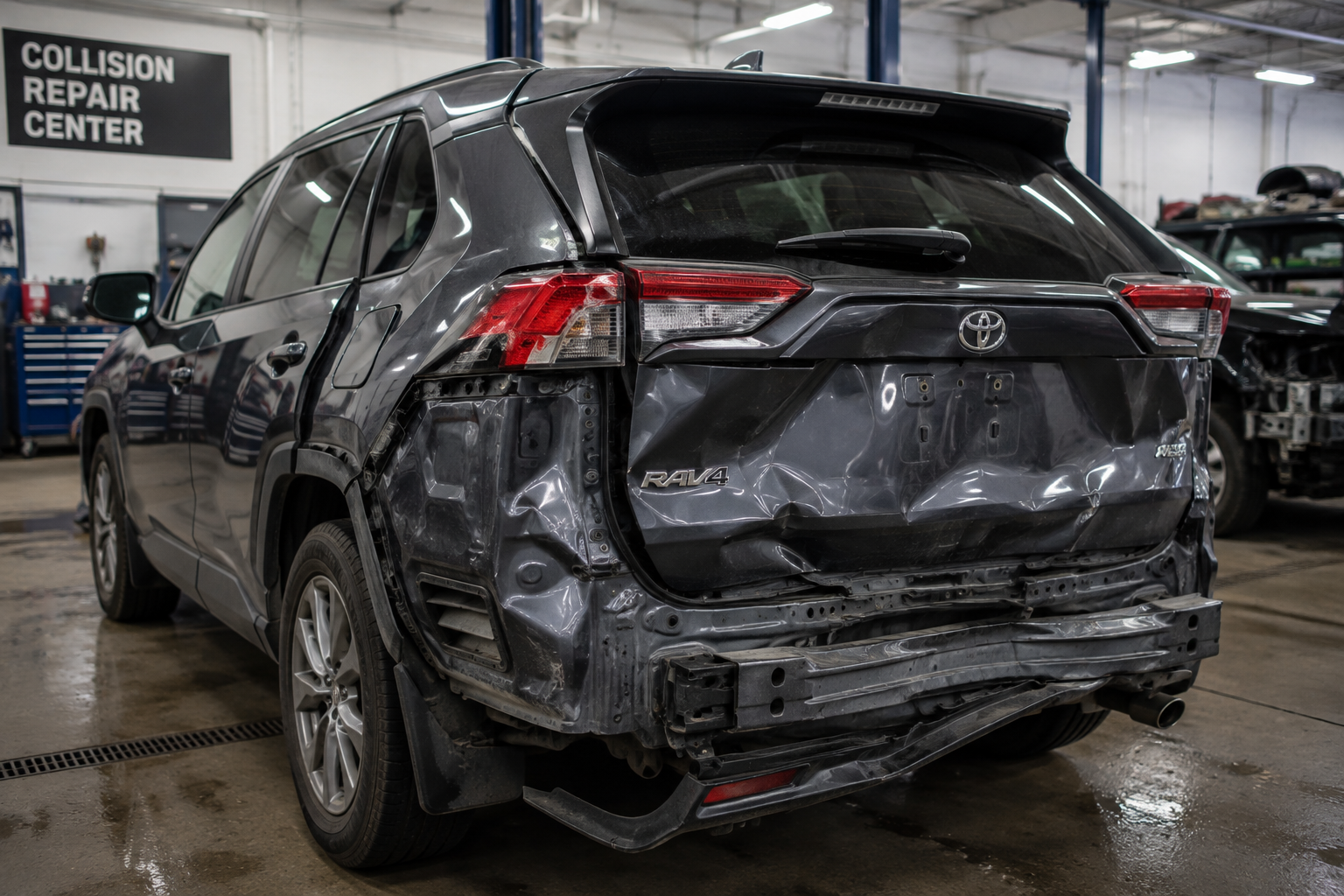
Rear-End Toyota Collision Damage Can Extend Far Beyond the Bumper
A rear-end collision may appear to involve only the bumper and liftgate, but the impact can transfer energy into components hidden behind the exterior panels.
Depending on the Toyota model and severity of the accident, rear collision damage may involve the bumper reinforcement, absorber, rear body panel, trunk floor, liftgate or deck lid, quarter panels, taillights, exhaust, parking sensors and structural mounting areas.
Our Toyota Collision Shop Michigan evaluates the complete damaged area so the repair plan is based on the actual condition of the vehicle rather than only what can be seen from the outside.
Toyota Front, Rear & Side Collision Repair
Different types of impacts affect different areas of a Toyota. Understanding the direction and severity of the collision is an important part of determining what needs to be inspected and repaired.
Toyota Front-End Collision Repair
Front-end accidents can damage the bumper, reinforcement, hood, grille, headlights, fenders, radiator support, cooling system, suspension, sensors and structural components.
Toyota Rear-End Collision Repair
Rear impacts can affect the bumper system, trunk or liftgate, quarter panels, rear body panel, floor, exhaust, sensors, lighting and underlying structure.
Toyota Side-Impact Collision Repair
Side collisions may involve doors, rocker panels, pillars, quarter panels, glass, side-impact protection, airbags, seat belts and structural components.
Toyota Bumper Repair
Bumper damage can involve more than the painted cover. Reinforcement bars, energy absorbers, brackets, retainers, sensors and surrounding components may also require inspection.
Toyota Fender & Hood Repair
Fender and hood damage should be evaluated together with adjoining lamps, bumper components, hinges, latches and surrounding structural areas.
Toyota Door & Quarter Panel Repair
Side body damage can involve exterior panels as well as hinges, latches, reinforcement beams, rocker areas, pillars and internal components.
Hidden Toyota Collision Damage
Exterior damage does not always show the complete extent of an accident. Components behind the bumper, body panels, lamps and trim can be damaged even when they remain hidden during the initial inspection.
Modern Toyota Vehicles Require Careful Structural Evaluation
Toyota vehicles can use different grades of high-strength and high-tensile steel throughout the body structure. These materials help manage collision forces while allowing the vehicle structure to remain strong without unnecessary weight.
The type of material matters during collision repair because repairability, sectioning, welding, replacement and joining decisions can vary depending on the component and vehicle.
Toyota publishes model-specific collision repair information that includes welded-panel replacement procedures, structural dimensions and body-panel service techniques.
At our Toyota Collision Shop Michigan, we believe structural repairs should be planned around the specific Toyota being repaired rather than treating every damaged vehicle the same way.
Structural Repair Is More Than Straightening Metal
The structural portion of a collision repair can involve measuring, material identification, component replacement, joining, corrosion protection and final alignment.
Structural Measuring
When collision forces reach structural areas, measurements can help determine whether vehicle dimensions have changed and what repairs may be necessary.
Repair vs. Replacement
Some components may be repairable while others may require replacement depending on the material, severity of damage and applicable repair procedures.
Welding & Joining
Replacement panels and structural components can require specific welding, joining or adhesive procedures depending on the Toyota model and repair location.
Corrosion Protection
Collision repairs can disturb original coatings. Proper primers, seam sealers and corrosion-protection materials may be necessary during the repair process.
Your Toyota Should Be Repaired Based on the Vehicle — Not a Generic Repair Method
Toyota vehicles differ by model, model year, body construction, powertrain, safety equipment and electronic systems. That means the correct collision repair approach can also vary from one Toyota to another.
Toyota publishes collision repair information that includes structural dimensions, welded-panel replacement information and model-specific body repair techniques.
At our Toyota Collision Shop Michigan, we believe repair planning should begin by understanding the specific Toyota being repaired and the exact areas affected by the collision.
A Camry with front-end damage may require a very different repair plan from a RAV4 with rear structural damage, a Highlander with a side impact or a hybrid Toyota with damage near high-voltage components.
Structural Integrity Is About More Than Straight Body Panels
Collision forces can travel beyond the visibly damaged bumper, fender, door or quarter panel. Structural areas, mounting points, suspension attachment locations and adjoining components may also require evaluation.
Structural Measuring
When collision forces reach structural areas, measuring can help determine whether the body and mounting locations remain within the required dimensional condition.
Repair vs. Replacement
Not every damaged structural component should automatically be repaired. The material, damage location and applicable Toyota repair information can affect whether repair or replacement is appropriate.
Welding & Joining
Replacement panels and structural components may require specific joining methods, weld locations, adhesives or related procedures depending on the vehicle.
Suspension Mounting Points
Collision damage near a wheel or corner of the vehicle can affect suspension components, crossmembers and the structural locations that position them.
Panel Alignment
Hood, fender, door, trunk, liftgate and bumper alignment can provide important information about the condition of surrounding body and structural components.
Corrosion Protection
Repairing or replacing body components can disturb original coatings. Appropriate primers, seam sealers and corrosion-protection materials may be required during reassembly.
Genuine Toyota Parts & Your Collision Repair
Toyota recommends Genuine Toyota Parts for collision repairs and states that its genuine collision parts are designed around Toyota standards for quality, fit and corrosion resistance.
Replacement collision parts can include hoods, fenders, doors, bumper covers, lamp assemblies and structural components. The parts specified on an insurance repair can depend on the policy, estimate, vehicle, availability and other claim considerations.
When repairing your Toyota, ask questions about the parts listed on the estimate. Our team can review the repair plan and discuss the replacement parts specified for your vehicle.
Diagnostic Scanning, Cameras, Radar & Driver Assistance Systems
Modern Toyota vehicles can contain numerous electronic modules, cameras, radar sensors, parking sensors and driver-assistance technologies.
Collision damage can affect electronic systems even when there is no obvious external damage to the component itself.
Diagnostic scanning can help identify stored faults and system conditions that may need to be addressed during the repair.
Certain collision repairs may also require calibration or verification of cameras, radar or other driver-assistance components depending on the Toyota model and the work performed.
Hybrid and Electric Toyota Vehicles Require Additional Awareness
Toyota has offered hybrid vehicles for decades and now has an expanding lineup of electrified vehicles. Collision repair involving these vehicles can require additional consideration of high-voltage systems and related components.
High-Voltage Systems
Hybrid and electric vehicles contain high-voltage components that require appropriate precautions when collision damage or repair operations involve related areas.
Battery Location
The high-voltage battery and related components should be considered when evaluating collision damage, lifting the vehicle or performing certain structural repairs.
Orange High-Voltage Cables
High-voltage wiring is typically identifiable by orange insulation and requires appropriate handling and safety procedures.
Cooling Systems
Electrified Toyota models may contain additional cooling circuits and components that can be affected by front, side or underbody collision damage.
Electronic Diagnostics
Diagnostic information can be particularly important when collision damage involves hybrid or electric vehicle systems.
Model-Specific Repair Planning
A Prius, RAV4 Hybrid, Camry Hybrid, Highlander Hybrid and other electrified Toyota models can have different layouts and repair considerations.
What Should You Expect From a High-Quality Toyota Collision Repair?
A quality collision repair should go beyond replacing damaged exterior panels. The complete repair can involve structural integrity, body construction, electronics, safety systems, corrosion protection, paint quality, panel alignment and the procedures appropriate for the specific Toyota being repaired.
Vehicle-Specific Repair Planning
Toyota vehicles differ by model, year, body construction and equipment. We believe the repair plan should be developed around the actual vehicle rather than treating every collision the same.
Structural Integrity
When collision forces reach structural areas, repair decisions may involve measuring, component replacement, joining procedures and careful evaluation of the affected structure.
Hidden Damage Inspection
Damage behind bumpers, lamps, body panels, trim and other components may not be visible during the initial exterior inspection.
Electronics & Safety Systems
Cameras, radar, parking sensors, restraint systems and electronic modules may require additional attention depending on the collision and repairs performed.
Paint & Refinishing Quality
Proper preparation, color matching, refinishing and clear coat application are important to restoring the appearance of repaired Toyota body panels.
Final Quality Inspection
Panel gaps, alignment, trim installation, lighting, paint appearance and completed repair operations should all be reviewed before vehicle delivery.
Your Toyota Should Not Be Repaired Based on the Fastest or Easiest Shortcut.
The Collision Repair Shop believes a Toyota collision repair should be approached as a complete vehicle repair. What is behind the bumper, underneath the paint and inside the vehicle structure can matter just as much as what you see from the outside.
We Want You to Understand What Is Being Done to Your Toyota
Collision repair can become complicated quickly. There may be an insurance estimate, hidden damage, additional parts, supplements, diagnostic procedures and repair decisions that were not obvious when the vehicle first arrived.
We believe customers deserve communication throughout that process. If additional collision damage is discovered, we want you to understand what was found and why the repair plan may need to change.
Your Toyota belongs to you. Our responsibility is to provide professional guidance, quality workmanship and a repair process built around integrity.